
A useful wardrobe is not built around the largest number of clothes. It is built around pieces that can handle several parts of a real week. Office hours, client meetings, travel, dinners and family plans often sit close together. Clothing has to look considered without demanding too much time.
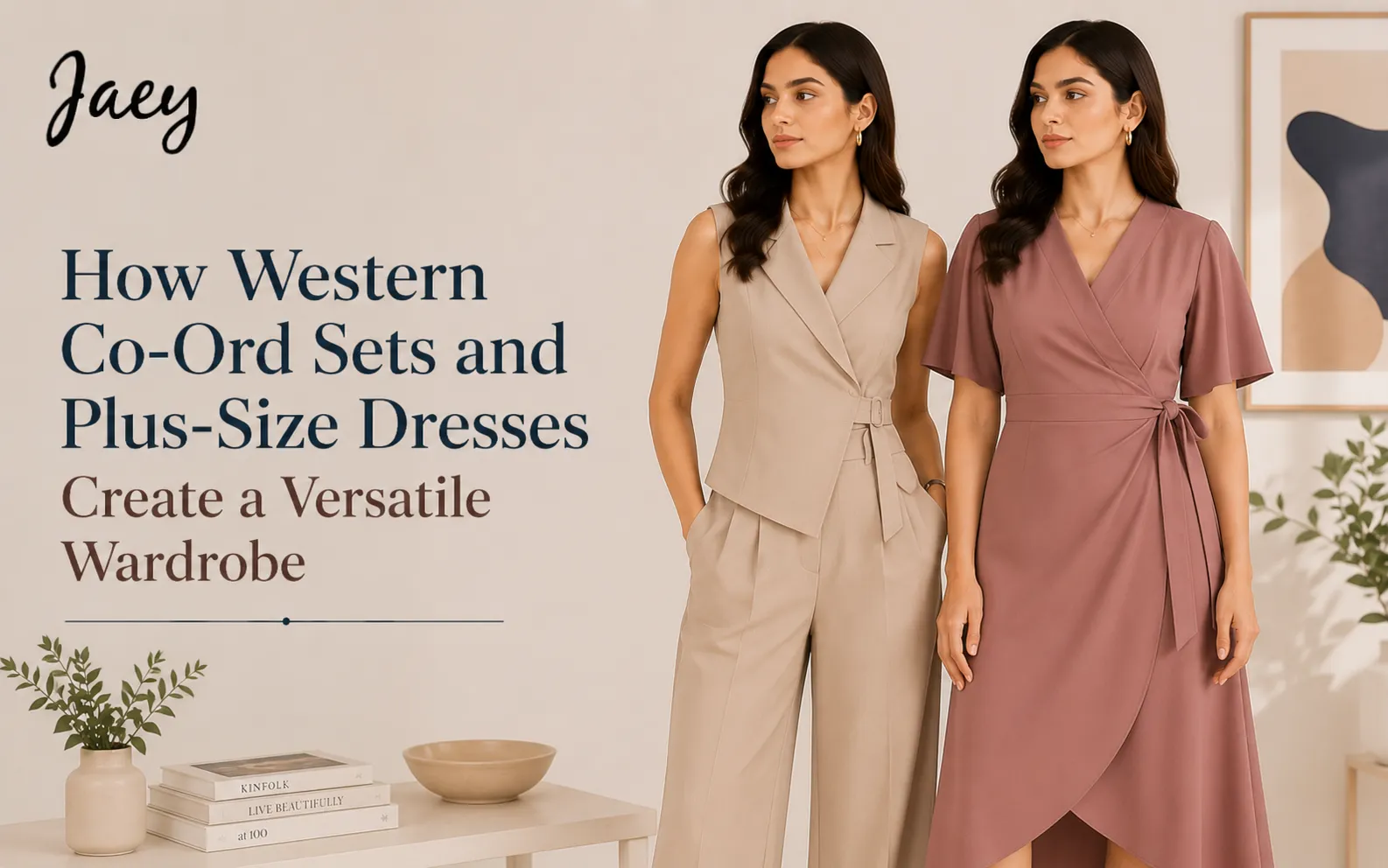
This is where co ord sets western styles can be practical. A matching top and bottom create an organised look in one step. Yet the two pieces can also be separated and worn with clothes already in the wardrobe. A jacket-style top may work with dark trousers. The matching trousers may work with a plain shirt or knit top.
Start with the life you actually lead
Before looking at colour or trends, think about how the clothes will be used. A person who sits for long hours needs ease at the waist and enough room through the hips. Someone who travels between meetings may value wrinkle resistance. A workplace with a formal dress code may need clean shoulders, covered necklines and restrained prints.
The same co-ord will not suit every setting. A cropped top with relaxed trousers may feel right for a creative office but too casual for a conservative one. A structured set may look sharp during a presentation but feel tiring during a long commute. Good choices come from matching the garment to the day, not from following a fixed rule.
Why co-ords earn repeat wear
A co-ord has a clear advantage: the proportions are planned as a set. The top length, trouser rise and overall line are designed to work together. This can reduce the trial and error involved in building an outfit.
The real value, however, comes from separating the pieces. Neutral trousers can support several shirts. A solid top can sit under a blazer or over a skirt. When checking a set, imagine at least three outfits using each part. If that feels difficult, the set may have limited use despite looking impressive in a product photograph.
Fabric matters as much as shape. Crepe and blended fabrics often hold a clean line and resist deep creasing. Cotton feels breathable but may need more care. Linen is comfortable in warm weather, yet its natural creases make it less suitable for every office. None of these fabrics is automatically better. The right choice depends on climate, travel and dress code.
Dresses solve a different wardrobe need
Well-cut plus size western dresses can offer the same one-step ease as a co-ord, but the effect is different. A dress creates one continuous line. It avoids the pressure point that can appear where a separate top and waistband meet. This may feel more comfortable during long events or warm days.
Fit should be judged at the shoulders, bust, waist and hips rather than by the size label alone. The shoulder seam should sit close to the shoulder edge. Buttons should lie flat. Armholes should allow movement without pulling. A fitted waist should define shape without making sitting uncomfortable.
A straight or gently shaped dress can be easier to layer than a heavily flared style. A blazer, light jacket or fine cardigan may be added when needed. A dress with a strong sleeve, large print or complex neckline may need fewer accessories. Restraint often makes an outfit look more expensive and more suitable for repeat wear.
Balance matters more than hiding the body
Plus-size styling advice often focuses on concealment. That approach can make shopping restrictive and uncomfortable. The better aim is balance. If the top has volume, a straighter bottom can provide contrast. If the trousers are wide, a defined shoulder or cleaner neckline may give the outfit structure.
Length also changes balance. A top ending at the widest point of the hip may create a sharp horizontal break. A slightly shorter or longer hem can produce a smoother line. This is not a rule about appearing smaller. It is simply a way to control where the eye pauses.
Movement is the final test. Raise both arms, sit down, walk and turn. A garment that looks good only while standing still will not become a dependable part of the wardrobe. Check whether the neckline shifts, the waistband rolls, the dress rides up or the sleeves restrict the elbows.
Use colour with a plan
Neutral shades are easy to repeat, but a wardrobe made only of black, beige and navy can feel flat. One or two controlled colours can make familiar outfits feel fresh. Deep green, burgundy, rust, cobalt or muted rose can work well with common neutrals.
Print scale should relate to the garment rather than to body size. Small prints are not compulsory for plus-size clothing. Large prints can look polished when the colour palette is limited and the placement feels deliberate. At work, the print should support the person rather than dominate the room.
Buy fewer pieces, but test them properly
Check the inside of the garment. Seams should look even. Zips should move without catching. Buttons should feel secure. Pattern lines should meet neatly where possible. A lined jacket may keep its shape better, though lining can also make it warmer.
Care instructions affect long-term value. A beautiful set that needs frequent dry cleaning may not suit a busy routine. A washable garment is not automatically easy to maintain if it needs careful ironing after every wear. Cost per wear depends on comfort, care and repeatability, not only on the purchase price.
A versatile wardrobe can include both co-ords and dresses because they solve different problems. Co-ords offer flexibility through separate pieces. Dresses offer speed and a continuous silhouette. The best choice is the one that fits well, moves well and supports the life being lived.