
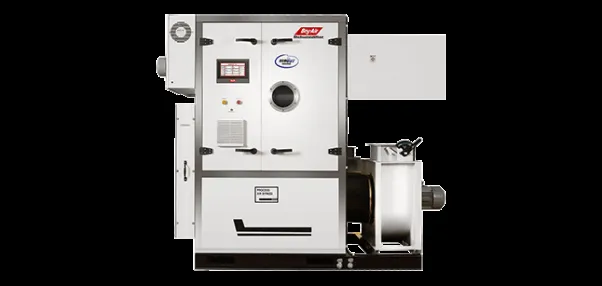
Humidity is one of the most overlooked environmental factors in industrial operations, yet it has a significant impact on product quality, equipment performance, and manufacturing efficiency. Excess moisture in the air can cause corrosion, condensation, microbial growth, material degradation, and inconsistent production results. As industries continue to adopt stricter quality standards and automated manufacturing processes, maintaining precise humidity levels has become increasingly important. Industrial dehumidification systems provide reliable environmental control that helps manufacturers protect products, improve operational efficiency, and reduce costly production disruptions. Bry-Air has earned a global reputation for delivering advanced dehumidification technologies designed for a wide range of industrial applications. With decades of expertise in environmental control engineering, Bry-Air develops solutions that support dependable manufacturing conditions across multiple industries. Understanding how industrial dehumidification works can help businesses make informed decisions about protecting their facilities and improving long term productivity.
Why Does Humidity Matter in Industrial Environments?
Air naturally contains moisture, and humidity levels fluctuate based on weather, seasonal conditions, and production activities. In industrial settings, uncontrolled humidity can create several operational challenges that directly affect manufacturing performance.
Moisture in the air may condense on equipment, production lines, raw materials, and finished products. This can increase the risk of corrosion, contamination, reduced product quality, and equipment downtime.
Manufacturers investing in industrial dehumidification understand that controlling humidity is not simply about improving comfort. It is an important part of maintaining stable production conditions and protecting valuable manufacturing assets.
Excess Humidity Can Affect Production
Maintaining appropriate humidity levels helps reduce production variability while supporting consistent product quality throughout manufacturing.
What Is Industrial Dehumidification?
Industrial dehumidification is the process of removing excess moisture from the air to maintain controlled environmental conditions within manufacturing facilities, warehouses, laboratories, and other industrial spaces.
Unlike residential dehumidifiers, industrial systems are engineered to operate continuously under demanding conditions while managing significantly larger air volumes.
Modern industrial dehumidification systems often use desiccant technology, refrigeration methods, or hybrid solutions depending on the specific environmental requirements and operating conditions.
These systems work continuously to maintain target humidity levels regardless of changes in outside weather or production activities.
Controlled Humidity Improves Environmental Stability
Reliable moisture control creates consistent production environments that support efficient industrial operations.
Which Industries Benefit from Industrial Dehumidifiers?
Humidity control is essential across many industries where product quality depends on maintaining stable environmental conditions.
Pharmaceutical Manufacturing
Controlled humidity protects sensitive ingredients while supporting regulatory compliance and product consistency.
Food Processing
Moisture control helps maintain product quality, improve shelf life, and reduce contamination risks.
Electronics Manufacturing
Electronic components require low humidity environments to minimize moisture related damage during production.
Lithium Battery Production
Battery manufacturing depends on precise humidity control to protect moisture sensitive materials throughout production.
Chemical Processing
Controlled environments help maintain stable production conditions and protect sensitive raw materials.
Warehousing and Storage
Proper humidity management reduces condensation, corrosion, and moisture related damage during storage.
These industries rely on consistent environmental control to support efficient operations and dependable product quality.
How Does an Industrial Dehumidifier Work?
Modern industrial dehumidifier systems remove moisture from the air using advanced engineering technologies designed for continuous industrial operation.
Many industrial applications use desiccant dehumidification, where moisture is absorbed by specialized desiccant materials before being removed through a regeneration process.
Other systems utilize refrigeration technology to condense moisture from the air under appropriate operating conditions.
The selection of technology depends on several factors, including required humidity levels, operating temperatures, production conditions, and energy efficiency objectives.
Advanced Engineering Delivers Reliable Moisture Control
Industrial dehumidifiers maintain consistent humidity levels that support stable manufacturing environments throughout changing operating conditions.
What Are the Benefits of Industrial Dehumidification?
Proper humidity control provides numerous operational advantages that improve manufacturing performance and reduce long term operating costs.
Improved Product Quality
Stable environmental conditions reduce moisture related defects during manufacturing.
Equipment Protection
Controlling humidity minimizes corrosion and helps extend equipment service life.
Better Process Consistency
Uniform humidity supports repeatable production across multiple manufacturing batches.
Reduced Downtime
Preventing condensation and moisture related issues helps maintain uninterrupted operations.
Improved Workplace Conditions
Controlled humidity contributes to cleaner, more stable industrial environments.
Together, these advantages help manufacturers improve productivity while maintaining high quality standards.
What Should Businesses Consider Before Selecting a Dehumidification System?
Every industrial facility has unique environmental requirements. Selecting the right dehumidification system requires careful evaluation of production conditions, humidity targets, and operational objectives.
Several important considerations include:
Required Humidity Level
The target relative humidity should match the needs of the manufacturing process.
Facility Size
The system should be designed to manage the total air volume efficiently.
Operating Temperature
Environmental conditions influence the selection of appropriate dehumidification technology.
Energy Efficiency
Efficient equipment helps reduce operating costs while maintaining consistent performance.
Future Expansion
Facilities planning production growth should consider systems that can support increasing capacity.
Proper engineering ensures long term performance while maximizing operational value.
Why Is Bry-Air a Trusted Leader in Industrial Dehumidification?
Bry-Air has decades of experience developing advanced environmental control technologies for industrial applications worldwide. The company’s expertise in desiccant dehumidification, air treatment, and customized engineering allows it to deliver solutions tailored to diverse manufacturing environments.
Rather than providing standardized equipment, Bry-Air evaluates each customer’s production process, facility conditions, and operational requirements to develop customized humidity control systems.
Its focus on innovation, product reliability, energy efficiency, and technical support has made Bry-Air a trusted partner across industries including pharmaceuticals, food processing, electronics, chemicals, battery manufacturing, and industrial storage.
Customized Engineering Supports Long Term Performance
Professionally engineered dehumidification systems help manufacturers achieve dependable environmental control while improving production efficiency and product quality.
Conclusion
Industrial dehumidification has become an essential component of modern manufacturing because precise humidity control directly influences product quality, equipment reliability, production consistency, and operational efficiency. Excess moisture can create costly production challenges, while properly engineered dehumidification systems help manufacturers maintain stable environmental conditions throughout their facilities. Investing in advanced industrial dehumidification technology supports long term productivity, reduces maintenance concerns, and protects valuable manufacturing assets. Bry-Air continues to provide innovative humidity control solutions backed by decades of engineering expertise and industrial experience. To learn more about Bry-Air’s industrial dehumidification systems or discuss your facility’s environmental control requirements, visit the Contact Us page and connect with the Bry-Air team.