
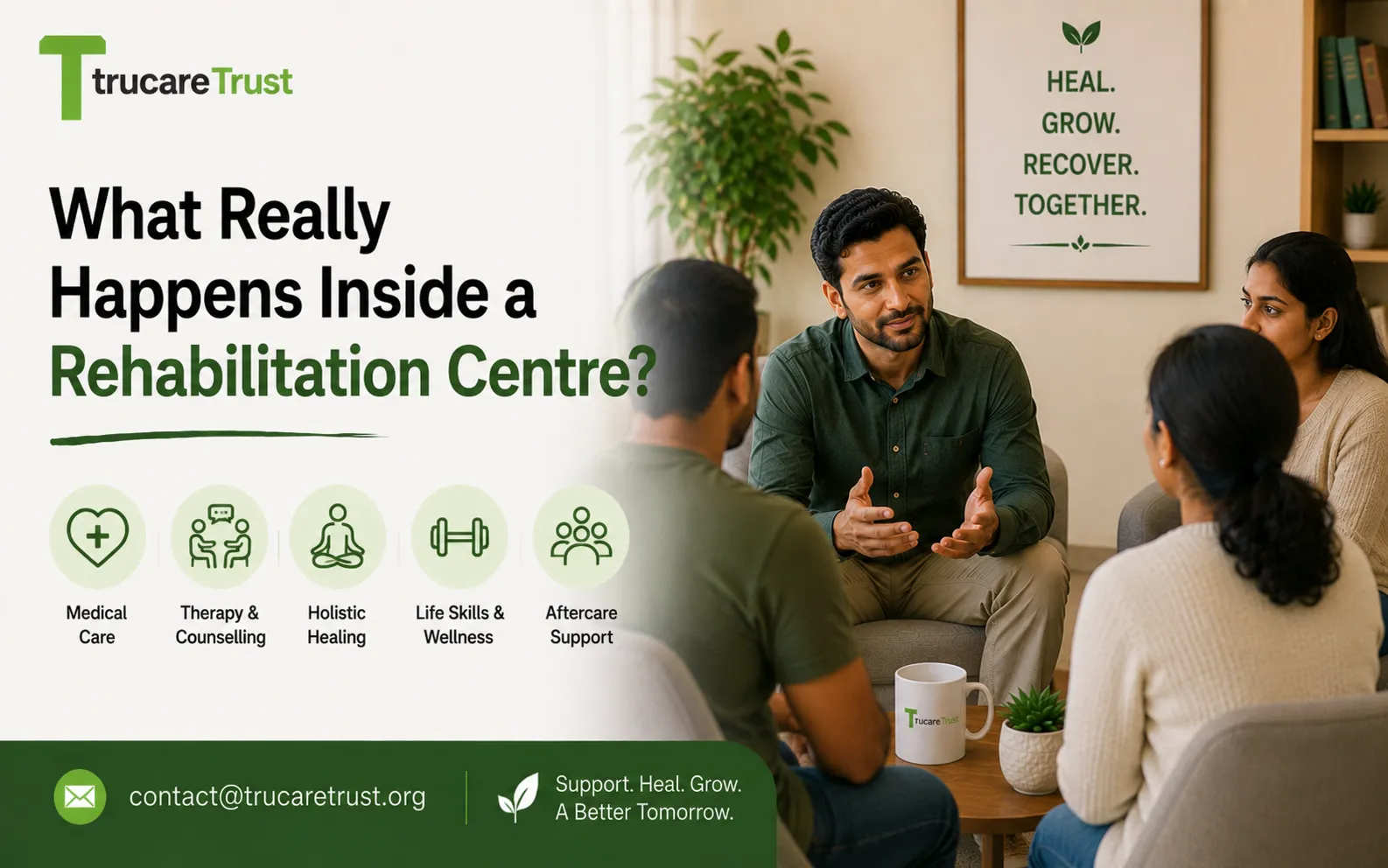
Entering a rehabilitation centre can feel uncertain for both the person seeking treatment and the family. Films and alarming stories often create the wrong impression. In reality, a responsible rehabilitation centre in Mumbai should provide structured, respectful and clinically supervised care—not punishment, isolation or forced obedience.
Admission and Assessment
Treatment usually begins with a detailed assessment. The clinical team asks about alcohol or drug use, withdrawal symptoms, physical health, mental health, prescribed medicines, family circumstances and previous treatment. Basic medical examinations may also be required.
This information helps professionals understand immediate risks and prepare an individual treatment plan. Consent, confidentiality, treatment costs, communication rules and expected responsibilities should be explained clearly. Urgent medical problems must be stabilised before routine rehabilitation begins.
Safe Withdrawal Management
Stopping alcohol, sedatives or certain drugs suddenly can be dangerous. Severe alcohol withdrawal, for example, may cause seizures, confusion or delirium. A doctor should therefore decide whether detoxification is necessary and how closely the person needs to be monitored.
Medication may be used to manage withdrawal, sleep disturbance, anxiety, nutritional deficiencies or another diagnosed condition. Detox is only the first stage. It clears the substance from the body but does not address the emotional, behavioural and social patterns that maintain dependence.
Daily Routine and Therapy
A typical day may include waking at a fixed time, meals, medical reviews, individual counselling, group sessions, exercise, rest and recovery education. Predictable routines help restore sleep, appetite, hygiene and responsibility, which are often disrupted during active addiction.
Counselling explores triggers, cravings, denial, stress, grief, relationships and high-risk situations. Cognitive and behavioural approaches help people recognise unhelpful thinking and practise safer responses. Group sessions reduce isolation and allow members to learn from shared experiences. Activities should support treatment rather than merely keep residents occupied.
Family Involvement
Addiction affects the household, not only the person using substances. With appropriate consent, family sessions can explain dependence, relapse warning signs, communication and healthy boundaries. Relatives are guided to support recovery without covering up harmful behaviour, providing money for substances or trying to control every decision.
The Mental Healthcare Act, 2017 protects dignity, confidentiality and reasonable communication. Restrictions on phones or visits should have a clear therapeutic or safety purpose and must not be used to humiliate residents.
Planning for Life After Discharge
Recovery is not completed at the gate. Before discharge, the team should prepare an aftercare plan covering follow-up counselling, medication where prescribed, peer support, work or study, family responsibilities and responses to cravings. A lapse should prompt early professional review rather than shame or abandonment.
The Ministry of Social Justice and Empowerment’s 2019 national substance-use survey found that nearly one in five people who consumed alcohol showed dependence, while only about one in 180 people with alcohol dependence had received inpatient treatment. These figures highlight a substantial treatment gap.
Before admission, families should verify qualified staff, medical supervision, emergency arrangements, consent procedures, transparent fees and continuing care. The accessibility of a rehabilitation centre in Mumbai may help families attend reviews, but clinical quality and patient safety should guide the final decision.
A well-run centre does more than separate someone from alcohol or drugs. It helps the person understand dependence, regain stability, build practical coping skills and return home with a realistic plan for continuing recovery.