
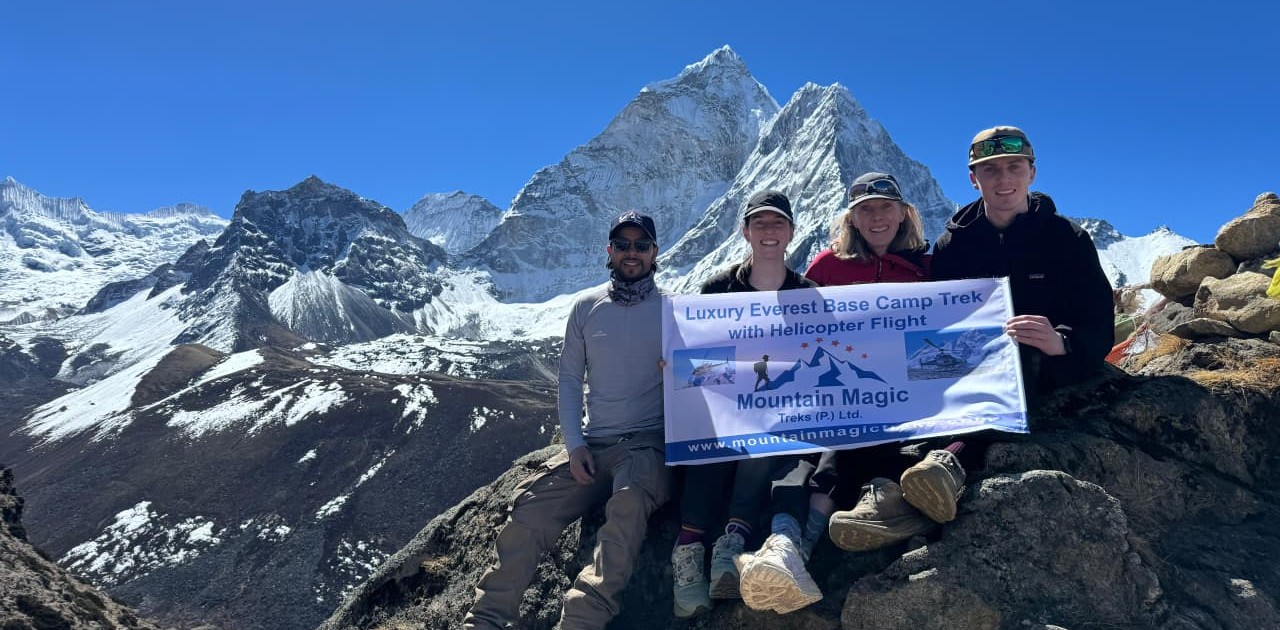
For many travelers, reaching Everest Base Camp is a once-in-a-lifetime goal. The idea sounds simple: walk into the mountains, stand near the world’s highest peak, and return home with unforgettable memories. In reality, the journey needs thoughtful planning because altitude, weather, walking distance, and mountain conditions all matter.
The Everest Base Camp Trek with helicopter return offers a useful way to experience the famous Everest trail while reducing the time needed for the return journey. You trek through the Khumbu region, reach Everest Base Camp, and then return by helicopter instead of walking the entire route back. Helicopter operations remain dependent on suitable weather and safe flying conditions.
With the right preparation, the journey can be both challenging and enjoyable.
Choose the Right Time for Your Trip
Weather can have a major effect on your Everest experience.
Clear mountain views are usually easier to enjoy during the main trekking seasons, while other months can bring more clouds, rain, snow, or difficult trail conditions.
Check Conditions Before Leaving
Do not plan your trip based only on photographs you see online.
Mountain weather can change quickly.
Ask your trekking company about current trail and flight conditions before starting your journey.
Prepare Your Body Before Nepal
You do not need to be a professional athlete to trek to Everest Base Camp.
However, you should be comfortable walking for several hours on uneven ground.
Build Practical Fitness
Start with regular walks and slowly increase the distance.
Walking uphill and climbing stairs are especially useful.
You can also add simple exercises such as squats, lunges, and step-ups.
The goal is to build endurance, not just strength.
Pack According to the Trail
Packing too much can make the trek harder.
You will carry a daypack for much of the journey, so every extra item adds weight.
Keep Your Essentials Simple
Useful items include:
-
Comfortable trekking shoes
-
Warm layers
-
Waterproof jacket
-
Gloves and hat
-
Sunglasses
-
Sunscreen
-
Water bottle
-
Headlamp
-
Personal medicines
-
Small snacks
Choose comfort and usefulness over unnecessary extras.
Start Your Trek Around Lukla
Lukla introduces you to the mountain environment.
The surrounding hills are green, and the lower sections of the route include forests, rivers, and small villages.
Use the First Days Wisely
Do not rush through the early trail.
Your body is getting used to several hours of walking each day.
Find a comfortable pace and learn what works for you before the route becomes more demanding.
Make Namche a Rest Point
Namche Bazaar is an important stop on the Everest route.
The town offers shops, cafes, lodges, and beautiful views.
Give Your Body Time
Acclimatization is one of the most important parts of the journey.
Use your time in Namche for a short hike or gentle exploration.
Avoid turning the acclimatization day into another exhausting trekking day.
The extra rest can help you prepare for higher elevations.
Experience the Culture Along the Way
The Everest region is home to Sherpa communities and strong Buddhist traditions.
You will see prayer flags, mani walls, monasteries, and prayer wheels.
Be Respectful
Treat religious places with care.
Ask before taking photographs of local people.
Do not leave rubbish on the trail.
A responsible visitor respects both the environment and the communities that call the region home.
Stop at Tengboche
Tengboche is one of the most memorable places along the route.
Its monastery and mountain setting create a peaceful atmosphere.
Give Yourself Time to Look Around
You may be tempted to focus only on the next day’s walk.
Instead, enjoy the village.
Watch the mountains.
Talk with your guide.
Take a quiet break.
These moments make the trek more than a physical challenge.
Prepare for Dingboche
Dingboche marks another important stage of the journey.
The landscape becomes more open, and the air becomes thinner.
Accept That Walking Will Feel Different
At higher elevations, even a short uphill section can make you breathe harder.
That does not mean you have failed.
Slow down.
Take breaks.
Drink water.
Pay attention to your body.
If you develop concerning symptoms, tell your guide immediately.
Keep Your Energy Consistent
Long trekking days require regular fuel.
Skipping meals can leave you tired when you need energy most.
Carry Easy Trail Snacks
Small snacks can be useful between meals.
Choose things that are easy to carry and eat.
Also remember to drink water throughout the day.
Good energy management can make a demanding trail much easier.
Move Carefully Toward Lobuche
After Dingboche, the landscape becomes more rugged.
The trail toward Lobuche has fewer trees and more exposed mountain terrain.
Protect Yourself From the Sun
Cold air can make you forget about the sun.
At high elevation, sunlight can still be strong.
Sunglasses, sunscreen, and suitable clothing are important even on chilly days.
Stay Patient Around Gorakshep
Gorakshep is one of the final stops before Everest Base Camp.
By now, you are walking at a very high elevation.
Do Not Measure Success by Speed
Another person may walk faster.
That does not mean you should follow their pace.
Keep your breathing steady and take breaks when necessary.
The Everest Base Camp Trek with helicopter return is about reaching the goal safely, not winning a race.
Enjoy Everest Base Camp
After several days of walking, you finally arrive at Everest Base Camp.
The moment may feel exciting, emotional, or simply peaceful.
Think About the Journey
Look back mentally at where you started.
You have crossed rivers, bridges, forests, villages, and high mountain trails.
Base Camp is not simply a location. It represents the effort you made to reach it.
Add Kala Patthar for Another View
Kala Patthar rises to approximately 5,545 meters.
It is well known for its broad views of Mount Everest and the surrounding peaks.
Prepare for the Early Morning
Many trekkers climb early in the day.
The temperature can be very low, so warm clothing is important.
The altitude also makes the climb challenging.
Take it slowly and follow your guide’s advice.
Make the Return Part of the Adventure
One of the biggest benefits of the Everest Base Camp Trek with helicopter return is the way you finish the journey.
Instead of walking back through the same valleys for several days, you can return by helicopter, subject to weather and safe operating conditions.
Watch the Mountains From Above
The aerial view changes how you see everything.
The trail becomes a narrow line across the slopes.
Villages appear tiny.
Valleys look wider.
Glaciers and ridges seem to connect across the landscape.
After spending days walking through the Khumbu region, seeing it from above creates a powerful final memory.
Final Thoughts
The Everest Base Camp Trek with helicopter return is a practical option for travelers who want to experience the famous Everest route while reducing the time spent on the return journey.
You still get the heart of the adventure: walking through the Khumbu Valley, visiting Namche and Tengboche, adjusting to altitude in Dingboche, continuing through Lobuche and Gorakshep, and reaching Everest Base Camp.
You can also experience the spectacular views from Kala Patthar.
The helicopter then provides a completely different way to finish the trip.
Instead of retracing your steps, you can see the valleys, trails, villages, glaciers, and peaks from above.
Good preparation is essential. Train before your trip, pack carefully, respect acclimatization, listen to your body, and keep your schedule flexible.
The goal is not simply to reach Everest. It is to experience the journey safely and remember it for years.
Frequently Asked Questions
Is the Everest Base Camp Trek with helicopter return suitable for people with limited vacation time?
Yes. The helicopter return can reduce the number of days needed compared with walking back along the full route.
How should I prepare physically?
Build endurance through long walks, stairs, hills, and regular cardio exercises before your trip.
What is important at high altitude?
Proper acclimatization, hydration, rest, sensible pacing, and paying attention to your body’s condition are all important.
Why visit Kala Patthar?
It offers wide views of Mount Everest and the surrounding Himalayan landscape from a high viewpoint.
Can helicopter flights be affected by weather?
Yes. Visibility, clouds, wind, and other mountain conditions can cause delays or changes.
Should I leave extra time after the helicopter ride?
Yes. A flexible schedule is strongly recommended because mountain flight times can change.