
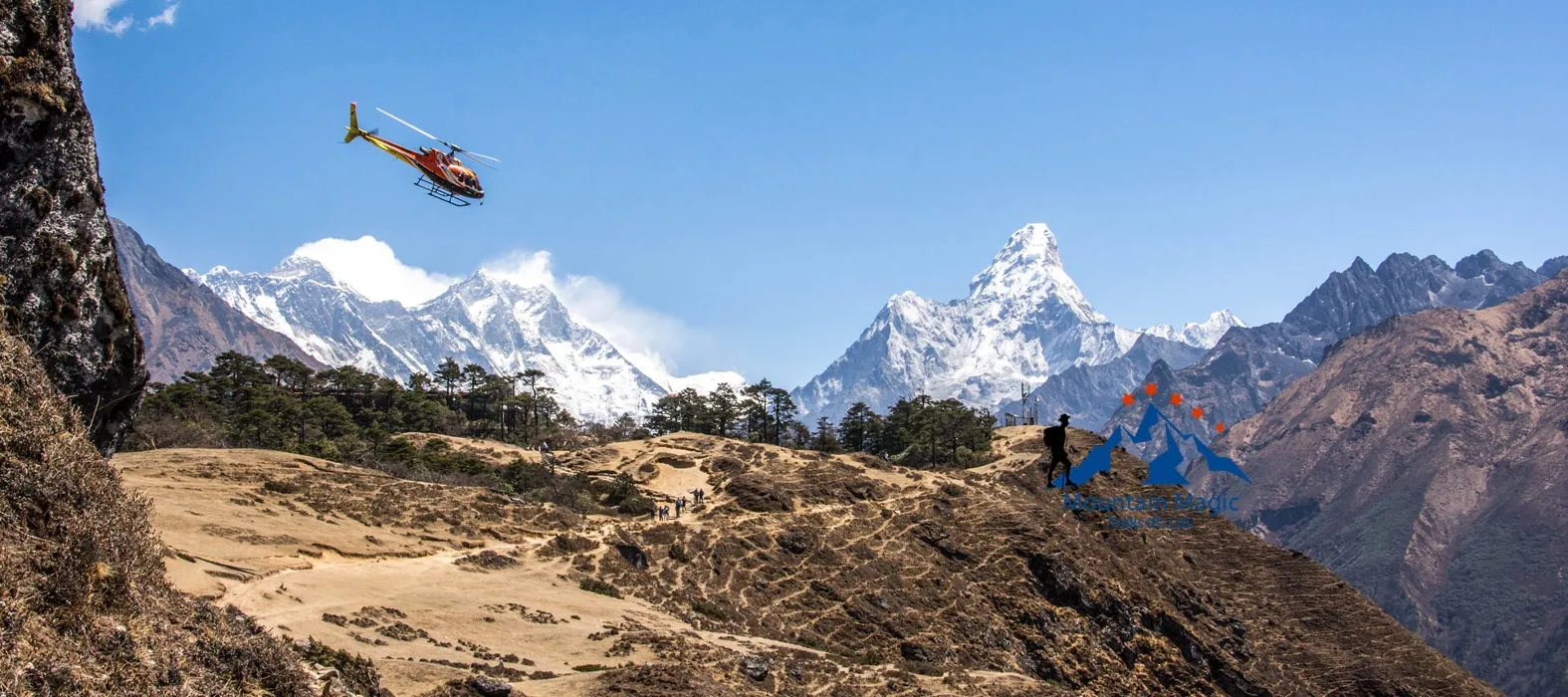
A trekking day in the Everest region does not look like a normal vacation day.
There is no sleeping until noon, jumping into a taxi, and reaching the next attraction in minutes.
You wake up, get ready, eat, pack your things, and start walking.
Then you keep walking.
The Everest Base Camp Trek With Helicopter Return gives you a chance to experience the Everest trail this way, with the helicopter saved for the return journey. Understanding what a typical day feels like can help you prepare for the rhythm before you arrive.
The Day Starts Before You Feel Ready
Mountain mornings can be cold.
Getting out of a warm sleeping bag may be one of the first small challenges of the day.
You do not need a complicated routine.
Get dressed, organize your day bag, drink some water, eat breakfast, and prepare for the trail.
Once you step outside, the cold usually feels easier to handle because you are moving.
Keep Your Morning Gear Simple
You do not want to search through your entire backpack before breakfast.
Keep commonly used items close:
-
Warm layers
-
Gloves
-
Water
-
Sunglasses
-
Sunscreen
-
Snacks
-
Personal medication
Good organization saves time and frustration.
Breakfast Is More Important Than It Looks
You are going to spend several hours walking.
That makes breakfast part of your preparation.
A warm meal can give you energy before the trail begins. You may also want a hot drink in the colder mornings.
Do not expect every lodge to offer the same choices you would find at home.
The food is often simple.
That is fine.
After a long climb, simple food can taste surprisingly good.
The First Hour Helps You Find Your Pace
The beginning of the walking day is a good time to settle into a rhythm.
Do not start too fast because you feel fresh.
You may regret that later.
Walk at a pace that allows you to breathe comfortably and talk when appropriate.
As the altitude increases, this becomes even more important.
Walking Slowly Is Not Falling Behind
There is often a temptation to keep up with the fastest person in the group.
Do not.
Everyone responds differently to long walks and altitude.
A steady pace is more useful than an impressive pace for ten minutes.
The goal is to finish the day with enough energy left to recover for tomorrow.
The Trail Keeps Giving You Reasons to Stop
You may plan to walk continuously for an hour.
Then you see a mountain view.
Or a suspension bridge.
Or a village.
Or a line of prayer flags.
You stop.
That is not a problem.
The Everest region is not somewhere you need to rush through.
Short pauses can also make long walking days feel more manageable.
Midday Is Often When You Feel the Distance
Morning excitement can carry you for a while.
Around midday, the reality of the walking day may become more obvious.
Your legs may feel tired.
Your backpack may feel heavier.
A climb that looked short may still have a long way to go.
This is when your earlier pacing decisions matter.
If you started too quickly, you may feel it now.
If you kept a steady rhythm, you may still have useful energy.
Lunch Becomes a Real Event
On a normal workday, lunch can feel like a short break.
On a trekking day, it can feel much more important.
You have already spent hours walking.
Sitting down somewhere warm with a proper meal gives your body a chance to recover.
Do not rush back onto the trail simply because you want to arrive early.
Take a sensible break.
Afternoon Walking Feels Different
After lunch, the trail can feel slower.
You have already completed a large part of the day.
The remaining distance may seem longer because you are tired.
This is where breaking the route into small sections can help.
Instead of thinking, “I still have hours to walk,” focus on reaching the next stop.
Then repeat.
Focus on the Trail in Front of You
Long journeys become easier when you stop thinking about the entire distance.
Look at the next bend.
Then the next bridge.
Then the next village.
You do not need to mentally walk tomorrow’s trail today.
Stay with the day you are actually experiencing.
Higher Elevation Changes the Experience
As the Everest Base Camp Trek With Helicopter Return moves higher, your body may notice the altitude more.
Breathing can feel harder during climbs.
Your walking speed may drop.
Rest stops may become more valuable.
This is why acclimatization days are included in the route.
Spending time in places such as Namche Bazaar and Dingboche gives your body a chance to adjust before continuing higher.
Evening Has a Different Energy
Eventually, you reach your lodge.
The backpack comes off.
The boots come off.
And the day’s main task is finished.
This can be one of the best feelings on a trek.
You may be tired, but there is also a sense of achievement.
You walked the distance.
Now you can rest.
The Dining Room Becomes a Meeting Place
Evenings in trekking lodges can be social.
Different groups sit around the same room.
People talk about the day’s route.
Someone may compare photographs.
Another trekker may ask about tomorrow’s trail.
You can learn a lot simply by listening.
Your Night Routine Should Be Boring
That is a good thing.
Eat.
Drink enough water.
Prepare your clothes.
Charge your devices when possible.
Check your day bag.
Then sleep.
You do not need to stay awake late every night.
Your body has another walking day ahead.
Some Days Will Feel Easier Than Others
Do not expect every trekking day to feel the same.
One day may be enjoyable and comfortable.
Another may feel long and tiring.
Weather can change your mood.
Altitude can change your energy.
The trail itself can vary.
That is normal.
A difficult day does not mean you are doing badly.
The High Days Feel Different Again
When you approach Gorakshep and Everest Base Camp, the atmosphere changes.
The goal is close.
But the elevation is also high.
This is not the time to suddenly increase your pace because you are excited.
Keep doing what worked earlier.
Walk steadily.
Rest when needed.
Stay hydrated.
Listen to your guide.
The final sections deserve patience.
The Helicopter Ends the Walking Routine
After the main trekking section is complete, the trip changes dramatically.
For days, your routine has been based around walking.
Now the helicopter becomes the main form of transport.
The Everest Base Camp Trek With Helicopter Return uses this final flight to avoid retracing the entire route on foot.
Instead of spending several more days walking back, you can see the region from above.
The Return Gives You a New View of Familiar Places
The villages and valleys you passed earlier may look completely different from the air.
Trails become thin lines.
Large valleys seem smaller.
The distance you covered on foot becomes easier to understand.
It is a fitting end to a journey built around walking.
FAQs
How many hours do trekkers usually walk each day?
Walking times vary by the route and day, but several hours of walking are normal on the main trekking sections.
Is breakfast important before trekking?
Yes. You need energy for long periods of walking, especially as the route climbs higher.
Should I walk at the same speed as everyone else?
No. Find a sustainable pace and follow your guide’s advice.
What happens when I reach the lodge?
Most trekkers eat, rest, organize their belongings, and prepare for the next day.
Does the helicopter return make the trek easy?
No. It reduces the amount of walking on the return journey, but you still need to complete the challenging high-altitude section on foot.
Conclusion
The Everest Base Camp Trek With Helicopter Return is made up of ordinary moments repeated in an extraordinary place.
Wake up.
Eat.
Walk.
Rest.
Walk again.
Reach the lodge.
Eat dinner.
Sleep.
Then do it again.
That routine may sound simple, but it is what takes you from the lower valleys toward Everest Base Camp.
The helicopter only enters near the end.
By then, you have already learned the real rhythm of the journey: progress does not come from one huge effort. It comes from putting one foot in front of the other, day after day.