
Everyone starts somewhere, and with THCA flower, that usually means staring at a product page full of unfamiliar terms and just picking whatever has the highest percentage or the coolest sounding name. That’s not really a strategy, it’s just guessing with extra steps.
The good news is you don’t need to know everything before your first order. You need to know a handful of things that actually matter, and ignore the rest of the noise. Browsing a thca flower shop with that in mind makes the whole process a lot less overwhelming than it looks at first glance.
What THCA Actually Is, in Plain Terms
THCA stands for tetrahydrocannabinolic acid, and it’s the raw, non-intoxicating compound found in the cannabis plant before it’s heated. Once you light it, vape it, or otherwise apply heat, THCA converts into THC, which is where the actual psychoactive effect comes from. That’s the whole mechanism, and it’s why THCA flower can be sold and shipped legally in a lot of places, since in its raw form it isn’t intoxicating.
This matters practically because the THCA percentage on a bag isn’t quite the same as the strength you’ll feel. Once you factor in the conversion that happens when it’s heated, the effective THC content is a bit lower than the raw number suggests, which is worth knowing so you’re not caught off guard comparing a 25 percent flower to what you might remember from a dispensary THC number.
Indica, Sativa, and Hybrid Are a Starting Point, Not the Full Answer
These categories are useful shorthand, but they’re not as precise as they used to be. Indica generally leans toward a heavier, more relaxing effect. Sativa tends to feel more energizing and clear-headed. Hybrids land somewhere between the two, often pulling more heavily toward one side depending on the specific genetics.
The category name is a decent starting filter, but the terpene profile is what actually explains how a strain feels. Two strains labeled the same way can feel pretty different once you look at what’s actually in them. As a beginner, it’s fine to start with the broad category, just don’t treat it as a guarantee.
Potency Isn’t the Only Thing Worth Comparing
It’s tempting to sort everything by highest percentage and buy from the top of the list, but that’s not actually the smartest approach when you’re new to this. A very high potency strain can be a rough starting point if you don’t have any tolerance built up yet, and it doesn’t tell you anything about flavor, effect character, or overall quality.
A moderate percentage, somewhere in the low twenties, is usually a more reasonable place to start. You get enough strength to actually feel the effect clearly, without the intensity of a strain sitting closer to 30 percent. You can always work your way up once you know what a given strength actually feels like for you specifically.
Look at the Bud Itself, Not Just the Description
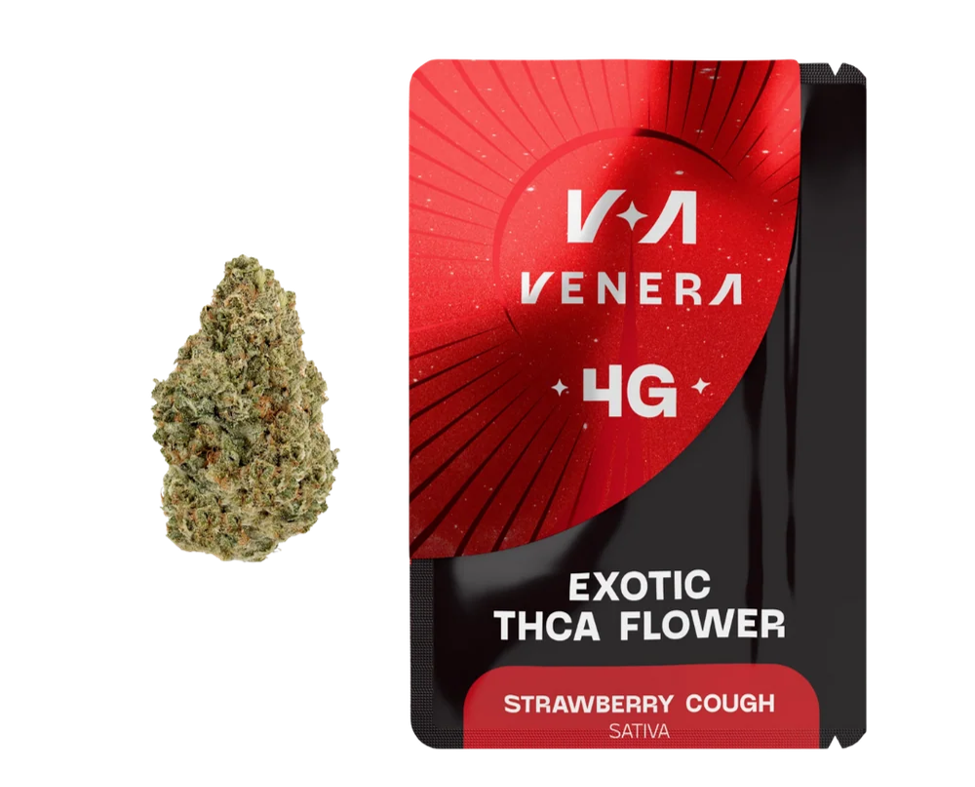
Photos matter more than people expect when you’re shopping online. Good flower should look visibly frosty, meaning covered in trichomes, the small crystal structures that hold most of the plant’s cannabinoids and terpenes. Buds that look dull, dry, or sparse in trichome coverage are usually lower quality, regardless of what the percentage on the label claims.
Color matters too. Bright, vivid green, sometimes with purple or orange tones depending on the strain, generally signals healthier growing and curing than flower that looks brownish or faded. None of this requires expertise, it just means actually looking at the photos instead of skipping straight to the price and percentage.
Lab Reports Are Worth Two Minutes of Your Time
Every legitimate THCA product should come with a Certificate of Analysis, usually available as a link on the product page. You don’t need to become an expert reader overnight, but a few quick checks go a long way. Confirm the batch number on the report matches your actual product, not just the strain name. Check that delta-9 THC sits under 0.3 percent, which is what keeps it federally compliant. And glance at whether pesticide, heavy metal, and microbial testing are included, not just potency.
If a listing has no lab report at all, or the link is broken or missing, that’s a real reason to look elsewhere. Comparing lab transparency across a few different places you shop thca is one of the fastest ways to separate serious brands from ones cutting corners.
Freshness Changes the Experience More Than People Expect
THCA flower loses potency and terpene content over time, especially if it’s exposed to air, light, or heat. A strain that tested great six months ago isn’t guaranteed to smoke the same way today. Packaging that’s resealable and opaque helps slow this process, and a visible pack date or harvest date on the listing is a good sign the brand is paying attention to this instead of just moving old inventory.
If you’re ordering online for the first time, starting with a smaller quantity rather than a large bulk order is a reasonable way to test freshness and quality before committing to more.
A Few Things Worth Asking Before Your First Order
If you’re unsure about strain selection, potency, or anything on a lab report, it’s completely fine to ask before ordering rather than guessing. Get in Contact with specific questions about a strain or product, and a real answer beats piecing things together from a product description alone.
Getting Comfortable Takes a Few Orders, Not One
Nobody figures out their preferences from a single purchase. Expect your first order to be more of a baseline than a perfect match, and adjust from there once you know how a specific potency range and terpene profile actually feels for you. Paying attention to aroma, checking the lab report, and starting with moderate potency covers most of what actually matters early on, and the rest comes from just getting a bit more experience with what you personally respond to.