
Choosing a THC beverage involves more than comparing flavours, package designs or prices. The brand behind the product should provide enough information for consumers to understand what they are purchasing. THC dosage, cannabinoid content, ingredients, laboratory testing and product instructions are useful starting points. Sourcing and manufacturing information can also provide additional context when comparing different products.
A trustworthy THC beverage brand should make relevant product information accessible rather than expecting consumers to rely on broad marketing claims. Clear documentation can make it easier to compare products and understand their intended use. For adults researching THC drinks, the goal is not to find the product with the most impressive advertising. It is to find a product with information that can be checked and understood.
A Good THC Beverage Brand Should Make Product Information Easy to Find
A brand’s website is often the first place consumers can assess how much product information is available. Product pages should clearly explain the cannabinoid content, serving size, ingredients and intended use. Laboratory documentation is another useful resource when it is accessible and connected to the relevant product or batch. Information should be consistent between the product page, packaging and supporting documentation.
A lack of basic information can make comparison difficult. If a product page does not clearly state how much THC is contained in a serving, consumers cannot easily compare its potency with another product. The same applies when ingredients or testing documents are difficult to locate. Transparent product information gives consumers a clearer basis for making purchasing decisions.
Start With Clear THC and Cannabinoid Information
Check THC Amount Per Serving
THC content is usually measured in milligrams. The number should be considered alongside the serving size because total package content and per-serving content are not the same measurement. A package can contain multiple servings, meaning the total THC in the package may be considerably higher than the amount in one serving. Checking both figures gives a more accurate understanding of the product.
Serving information should be easy to identify before purchase. For beverage enhancers and drink mixers, consumers should also understand how much product corresponds to the stated serving. Avoid estimating the THC amount based on the size of the container or liquid portion. The manufacturer’s label and instructions should provide the relevant information.
Look Beyond THC
THC may not be the only cannabinoid in a beverage. Some products contain CBD alongside Delta-9 THC, while others may contain additional cannabinoids depending on their formulation. The complete cannabinoid profile can therefore tell consumers more than the THC number alone. It also helps distinguish a THC-only beverage from a product containing multiple cannabinoids.
Beezy Snaps, for example, offers formulations combining hemp-derived Delta-9 THC and full-spectrum CBD. Its product information identifies formulations containing 4 mg or 8 mg of Delta-9 THC paired with an equal amount of full-spectrum CBD. This makes the product different from a THC-only beverage. Consumers should check the actual formulation rather than assuming that every THC drink has the same cannabinoid profile.
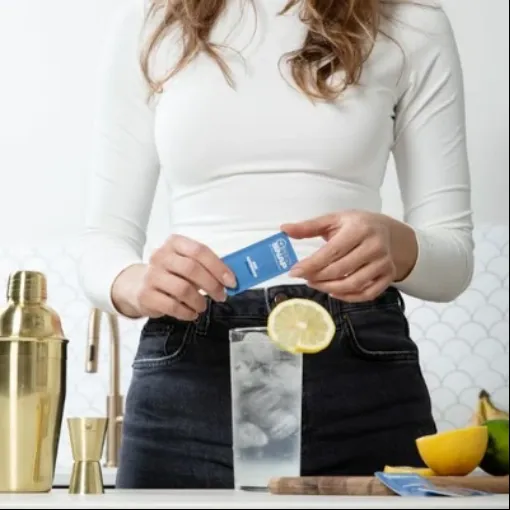
Beezy Snaps offers a portable THC drink mixer in its Snap format. The product can be added to beverages according to the manufacturer’s instructions, giving consumers a different format from a ready-to-drink THC beverage. Its product range combines Delta-9 THC with full-spectrum CBD, so the cannabinoid profile should be reviewed before purchase.
Look for Accessible THC Lab Testing
What Does a Certificate of Analysis Tell You?
A Certificate of Analysis, or COA, is a laboratory report associated with a tested product or batch. For cannabinoid products, a COA can provide information about the cannabinoid levels identified during laboratory testing. This can give consumers additional information to consider alongside the product label. The exact format and information provided can vary between laboratories.
Beezy Snaps makes laboratory documentation available for its THC and CBD formulations. This type of documentation can help consumers examine the stated cannabinoid profile rather than relying solely on product descriptions. A COA does not replace the product label or manufacturer’s instructions. It is another source of information that can be considered when evaluating a product.
What Information Should a Lab Report Include?
A laboratory report should provide enough information to identify what was tested and what the testing found. Product or batch identification is particularly useful because laboratory testing may apply to a specific production batch. Cannabinoid results can then be compared with the information presented on the product page or packaging.
When reviewing a COA, look for:
● Product or batch identification
● Delta-9 THC results
● CBD results where applicable
● Other cannabinoid results
● Laboratory information
● Testing or report date where available
These details can help connect the laboratory results with the product being considered. If the information appears inconsistent, consumers can contact the brand for clarification before making a purchase. Accessible documentation is more useful when it is specific and easy to interpret.
Read the Complete Ingredient List
Cannabinoid content is only one part of a THC beverage product. The ingredient list can include flavourings, sweeteners, carrier ingredients and other components used to create the final formulation. Consumers should review the complete list rather than relying on descriptions such as “natural” or “clean” without further information. The actual ingredient list provides a more useful reference.
Ingredient transparency is particularly relevant for consumers with dietary preferences or ingredient restrictions. A beverage enhancer may also have a different ingredient profile from a ready-to-drink THC beverage. The intended format should therefore be considered when comparing products. Clear ingredient information allows consumers to make decisions based on the actual formulation.
Where Do the Hemp-Derived Cannabinoids Come From?
Sourcing information can provide useful context when evaluating a THC beverage brand. If a product uses hemp-derived cannabinoids, consumers may want to know whether the brand provides information about the source and formulation. Specific sourcing details are more useful than broad statements that cannot be verified. The available information should also align with the product’s testing documentation.
Hemp-derived does not mean consumers should skip the rest of the product review. The actual cannabinoid content, ingredients and applicable requirements still need to be considered. Consumers researching different hemp-derived THC brands should look for information that explains what is in the product and how it is tested. This creates a more complete picture of the product than the sourcing claim alone.
How Does the Brand Handle Manufacturing?
Manufacturing information can provide additional context about how a product is produced and quality is monitored. THC beverages require attention to both the cannabinoid formulation and the finished product. Consistent measurement matters because consumers rely on the stated cannabinoid content when reviewing serving information. Brands that provide useful manufacturing or quality information give consumers more context for evaluating their products.
The amount of information available will differ between companies. Some brands may provide detailed manufacturing information, while others may focus on product-level documentation. Consumers do not need to rely on a single statement about manufacturing standards. Looking at product labels, laboratory reports and other available documentation together can provide a more useful assessment.
Product Consistency Matters From One Batch to the Next
Consistency is relevant to any packaged cannabinoid product. Consumers expect the information on a label to accurately represent the product they purchase. Laboratory testing and batch documentation can provide useful evidence when evaluating whether a brand monitors cannabinoid content. Updated documentation can also help consumers understand which formulation or batch has been tested.
This does not mean every brand needs to publish the same type of documentation. What matters is whether the available information is clear, relevant and connected to the product. When a company makes laboratory reports accessible, consumers have another source to consult. This can make product comparisons more straightforward.
Does the Brand Explain Responsible Use?
Responsible-use information should be easy to find on a THC beverage website. Consumers should be able to identify the recommended serving and understand that THC can produce intoxicating effects. Product instructions should also explain relevant storage and handling information. THC products should be kept securely and away from children and pets.
A responsible brand should avoid presenting THC as risk-free or making unsupported claims about its effects. Clear language around serving information allows consumers to make decisions based on the actual product. It also keeps the focus on what can be verified rather than exaggerated marketing statements. This type of information is useful when comparing brands.
How to Compare THC Beverage Brands
Comparing several brands becomes easier when the same criteria are used for each product. Price and flavour can matter, but they should not replace basic product research. Start with information that can be verified, such as THC content, ingredients and laboratory documentation. Then consider the brand’s approach to sourcing, manufacturing information and responsible-use guidance.
| Factor | What to Look For |
| THC dosage | Clear milligrams per serving |
| Cannabinoid profile | THC, CBD and other listed cannabinoids |
| Lab testing | Accessible COAs or laboratory reports |
| Ingredients | Complete ingredient list |
| Sourcing | Clear information about cannabinoid origin |
| Manufacturing | Available production and quality information |
| Consistency | Relevant batch information and testing |
| Responsible use | Serving, storage and safety guidance |
No single factor determines the quality of a THC beverage brand. A company may provide excellent product documentation but limited sourcing information, while another may publish detailed sourcing information but provide less accessible testing documentation. Reviewing several factors together gives consumers a more balanced assessment. The strongest comparison is based on information that can be checked rather than impressions created by advertising.
Warning Signs That Deserve a Second Look
Missing information does not automatically mean a product is unsuitable, but it can make an informed comparison harder. Consumers should be cautious when important details are unclear or difficult to verify. A product should provide enough information to understand its cannabinoid content and intended use. Conflicting information across different parts of a website also deserves clarification.
Some warning signs include:
● No clearly stated THC amount per serving
● Missing ingredient information
● No accessible laboratory documentation
● Vague sourcing claims
● Unsupported claims about product quality or effects
● Unclear serving instructions
● Conflicting product information
● Little or no responsible-use guidance
These points are useful screening criteria rather than automatic judgments about a company. If important information is missing, consumers can contact the brand and ask for clarification. A company that provides clear answers can make the purchasing decision easier.
What Can You Learn From a THC Beverage Brand’s Website?
A brand’s website can reveal how much information it makes available to consumers. Start with individual product pages and check whether cannabinoid amounts and serving sizes are clearly stated. Then look for laboratory reports, ingredients, sourcing details and product instructions. Contact information should also be easy to locate when consumers have questions.
Beezy Snaps provides information about its products, including its formulations containing hemp-derived Delta-9 THC and full-spectrum CBD. Its website also provides access to laboratory documentation for its products. These resources allow consumers to review more than just the product name or marketing description.
A Practical Checklist for Comparing THC Drink Companies
Before choosing a THC beverage brand, review the product from several angles. The objective is to understand what the product contains, how it should be used and what supporting information the brand provides. A simple checklist can make this process faster when comparing multiple companies.
Ask these questions:
● Is the THC amount per serving clearly stated?
● Is the complete cannabinoid profile available?
● Can I access a relevant COA?
● Is the full ingredient list provided?
● Does the brand explain its hemp-derived cannabinoid sourcing?
● Is there useful information about manufacturing or quality controls?
● Is product information consistent across the website and label?
● Are serving and storage instructions provided?
● Does the brand provide responsible-use information?
A brand does not need to make every piece of information available in the same format. The important point is whether consumers can access enough reliable information to understand the product. This is particularly useful when comparing products with different cannabinoid profiles or serving formats.
Choosing a THC Beverage Brand Based on Evidence
A THC beverage brand should be evaluated using information that helps you understand the actual product. Start with clear THC and cannabinoid information, then review the ingredients and available laboratory documentation. Sourcing and manufacturing details can add useful context, while responsible-use guidance can help consumers understand how the product should be handled and used.
For consumers researching a liquid THC drink mix, the same basic checks apply. Review the serving size, cannabinoid amounts, ingredients, testing information and product instructions before making a decision. For product questions or additional information, consumers can Contact the brand directly.
Conclusion
The quality of a THC beverage brand is easier to assess when the focus stays on information rather than marketing language. Clear dosage details, accessible laboratory reports, complete ingredient lists and useful product instructions provide a stronger basis for comparison. Sourcing, manufacturing information, product consistency and responsible-use guidance can add further context.
Before choosing a THC beverage, review the available evidence and make sure the product information is clear and consistent. A brand that makes relevant details easy to access gives consumers a better opportunity to understand what they are purchasing.
Frequently Asked Questions
1. What should I look for in a THC beverage brand?
Look for clear THC dosage information, a complete cannabinoid profile, ingredient transparency and accessible laboratory documentation. Sourcing, manufacturing and responsible-use information can also help when comparing brands.
2. Why is a COA important for THC beverages?
A Certificate of Analysis provides laboratory information about a tested product or batch. It can help consumers review cannabinoid results and compare them with the information provided on the product label.
3. Should a THC beverage brand disclose its ingredients?
Yes. A complete ingredient list allows consumers to understand what else is included in the product besides cannabinoids. It can also help people compare products based on their individual dietary preferences.
4. What does hemp-derived THC mean?
Hemp-derived THC refers to THC sourced from hemp. The term describes the source of the cannabinoid, but consumers should still check the product’s Delta-9 THC content, other cannabinoids, ingredients, testing information and applicable local requirements.
5. Is a THC and CBD beverage the same as a THC-only beverage?
No. A product containing both THC and CBD has a different cannabinoid profile from a THC-only product. Consumers should check the amount of each cannabinoid per serving before choosing a product.